Stress & Mood
The Startle Response And Why It Lingers
Startle is a hardwired reflex that fires before recognition, and its intensity is set by the nervous system's baseline arousal rather than by the size of the trigger.
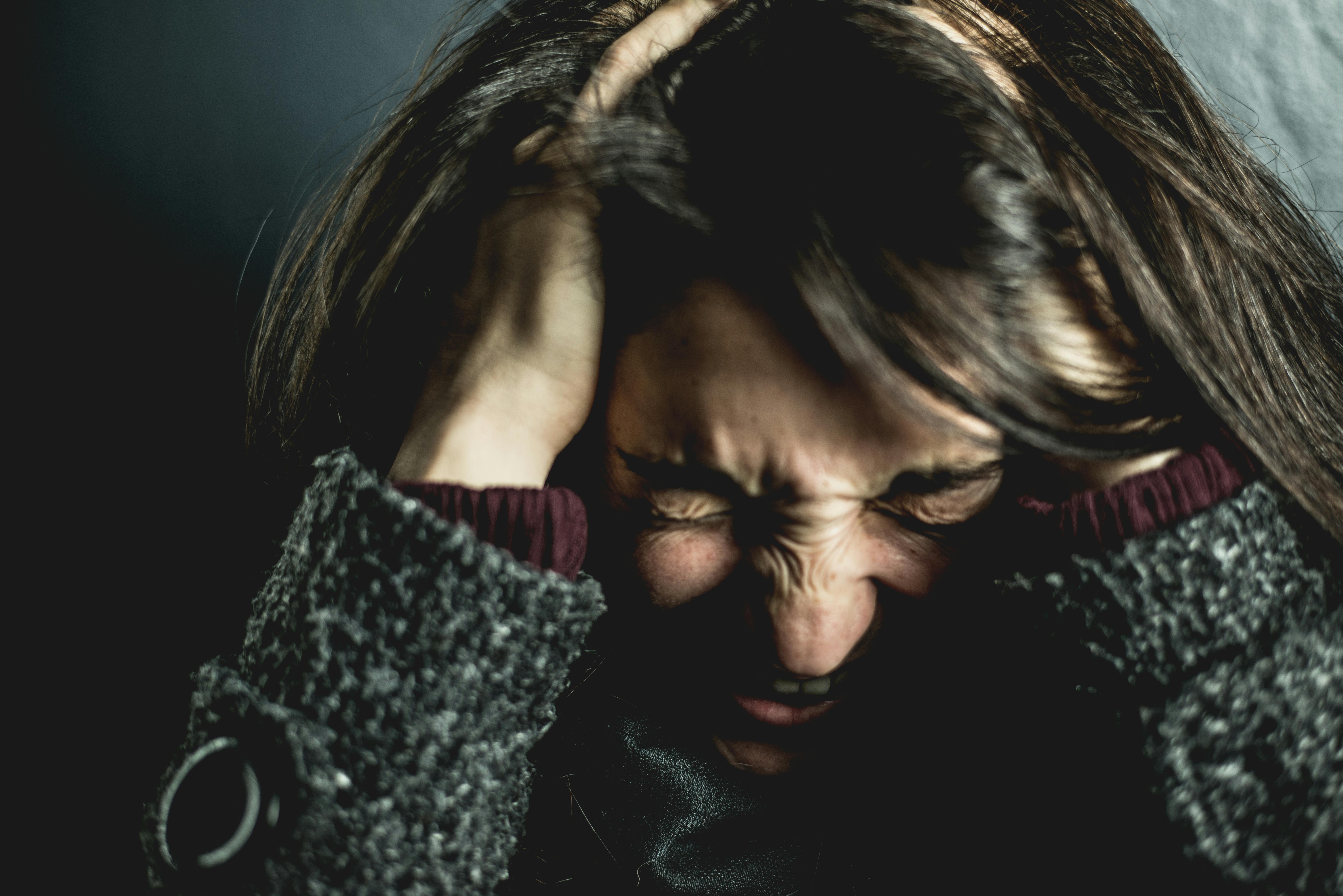
A door slams and the body jumps before the mind has identified the sound. What happens in the seconds afterwards says more about a person's current state than the noise did.
The reflex fires before recognition
Startle is one of the fastest responses the body produces. A loud, sudden stimulus triggers a muscular contraction through a short brainstem circuit that bypasses the slower analytical routes.
That is why you cannot decide not to startle. The response is complete before the information reaches the parts of the brain that could evaluate whether it was warranted.
The pattern is stereotyped: a blink, shoulders rising, a flexion at the neck and trunk. It is a protective posture assembled in a fraction of a second.
Baseline arousal sets the amplitude
The same sound produces a small twitch in a relaxed person and a full jump in an anxious one. The trigger has not changed; the sensitivity of the system has.
Sustained stress raises that baseline. A nervous system that has been primed for threat for weeks reacts more strongly to everything, including things that are obviously harmless.
This is why exaggerated startle is a recognised feature of anxiety and of trauma-related conditions. It is a measurable index of how the nervous system is currently set.
The recovery curve matters more than the jump
After a startle, heart rate and muscle tension should climb briefly and settle within a minute or two. In a settled system that settling is quick and unremarkable.
Where arousal stays elevated for much longer, the response has effectively become an episode rather than a reflex. The body has not received the signal that the situation resolved.
Repeated slow recoveries through a day leave the system permanently part-way up, and that accumulated elevation is a large part of what people describe as feeling on edge.
Habituation is how the system is supposed to adapt
Repeated harmless stimuli normally produce progressively smaller responses. This habituation is the nervous system learning that a particular input carries no information worth reacting to.
People living near a railway line stop hearing trains through exactly this mechanism. The sound still reaches the ear; the response to it has been dialled down.
Habituation is impaired when arousal is high, which produces an unpleasant situation: the state that makes startle worse also prevents the adaptation that would normally reduce it.
When heightened startle is worth raising
Jumpiness that has appeared or worsened noticeably, particularly alongside disturbed sleep, intrusive memories or avoidance of specific places, is a pattern worth describing to a clinician.
Some medications and stimulants raise baseline arousal directly, and caffeine intake is an obvious contributor that is easy to overlook when reviewing what changed.
Treating the startle itself is not the aim. It is a readout of the system's setting, and the useful work is on whatever is keeping that setting high.
Also by Dr Ayesha Quraishi
- Going to the doctor with something embarrassingEveryday Body
- Immunity, and what can and cannot be boostedEveryday Body
- Eyes, screens and what actually damages themEveryday Body
- Back pain, and what the evidence changedEveryday Body