Sleep
Sleep and alcohol
It is the most widely used sleep aid in the world and one of the least effective, for reasons that are well characterised.
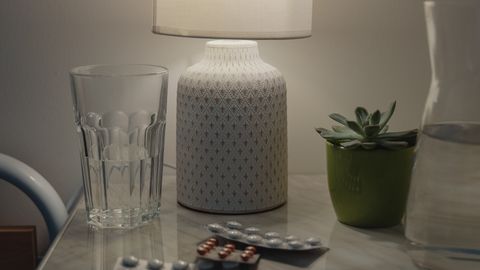
A large proportion of people who drink in the evening report doing so partly to sleep, which is understandable, since the first effect is exactly what they hoped for.
What it does in the first half of the night
Alcohol is a central nervous system depressant and it does reduce the time taken to fall asleep.
It increases slow-wave sleep early in the night, which is why the first few hours can feel deep.
And it suppresses REM sleep, which is where the trouble begins.
What it does in the second half
As the body metabolises it, the sedative effect reverses into a rebound.
Sleep becomes fragmented, with more awakenings, lighter stages and a marked rebound in REM as the suppression lifts, which is associated with vivid or unpleasant dreams.
Core temperature regulation, heart rate and autonomic activity are all disturbed, and measured heart rate variability during sleep after alcohol is consistently worse.
Diuresis adds bathroom trips, and dehydration adds to the headache.
The result is a night with normal total duration and substantially reduced restorative quality — which is why people wake unrefreshed after eight hours and cannot account for it.
The dose relationship
Studies find effects on sleep architecture even at low doses, with the magnitude rising steeply.
Sleep-tracking data across large populations consistently shows measurable reductions in recovery metrics from a single drink, with larger amounts producing substantially worse outcomes.
Timing matters as well as quantity: drinking closer to bedtime leaves more alcohol to be metabolised during sleep, and leaving several hours between the last drink and bed reduces the effect meaningfully.
Breathing
The safety issue.
Alcohol relaxes the muscles of the upper airway and blunts the arousal response to low oxygen.
Which means it increases snoring, worsens obstructive sleep apnoea, and can produce apnoea in people who do not otherwise have it.
For anyone with diagnosed apnoea this is a genuine clinical concern rather than a lifestyle note.
Tolerance and the trap
The sedative effect diminishes with repeated use within days, while the disruptive effects on the second half of the night do not.
Which means the amount required to produce the initial drowsiness rises, and the sleep gets worse as the dose increases.
People using alcohol for insomnia therefore reliably find themselves drinking more for less benefit, which is one of the more common routes into problematic drinking in adults who never intended to drink much.
Stopping produces rebound insomnia for a period, which is uncomfortable, is temporary, and frequently causes people to conclude that they cannot sleep without it.
Other substances, briefly
Since the question always follows.
Cannabis reduces time to sleep for some users and suppresses REM, with withdrawal producing marked sleep disturbance and vivid dreams; evidence for long-term benefit in insomnia is weak.
Nicotine is a stimulant with a short half-life, which fragments sleep and produces withdrawal-related waking in the night.
Caffeine has a half-life of several hours, longer in some people and with some medications, and controlled studies have found measurable sleep disruption from caffeine taken six hours before bed.
Which means an afternoon coffee is a plausible contributor to a problem people attribute to stress.
If you drink
Practical harm reduction rather than abstinence advice.
Leave three to four hours between the last drink and bed where possible.
Alternate with water and eat.
Keep the room cool, since alcohol disturbs thermoregulation.
Do not use it as the strategy for a specific difficult night, since it produces the worst version of the following day.
And note the pattern honestly: several nights a week of drinking to sleep is a signal worth acting on rather than a habit.
The comparison worth making
People with chronic insomnia who are offered cognitive behavioural therapy frequently say it sounds like a lot of effort compared with a drink.
It is more effort, over a few weeks, and it produces durable improvement in sleep that persists after treatment ends — which is the opposite of a strategy that works less well each month and creates a second problem alongside the first.
General information only, not medical advice. Consult a qualified clinician about alcohol use or persistent sleep problems, and do not stop heavy drinking abruptly without medical advice.
Also by Tom Halvorsen
- The mental health of men, specificallyStress & Mood
- Getting to sleep when your mind will not stopSleep
- Sleep and the working weekSleep
- What exercise does for the mindStress & Mood