Sexual Health
Why Testing Windows Delay A Reliable Result
A negative test soon after exposure can be wrong because tests detect the body's response or a threshold of organism, and both take time to develop.
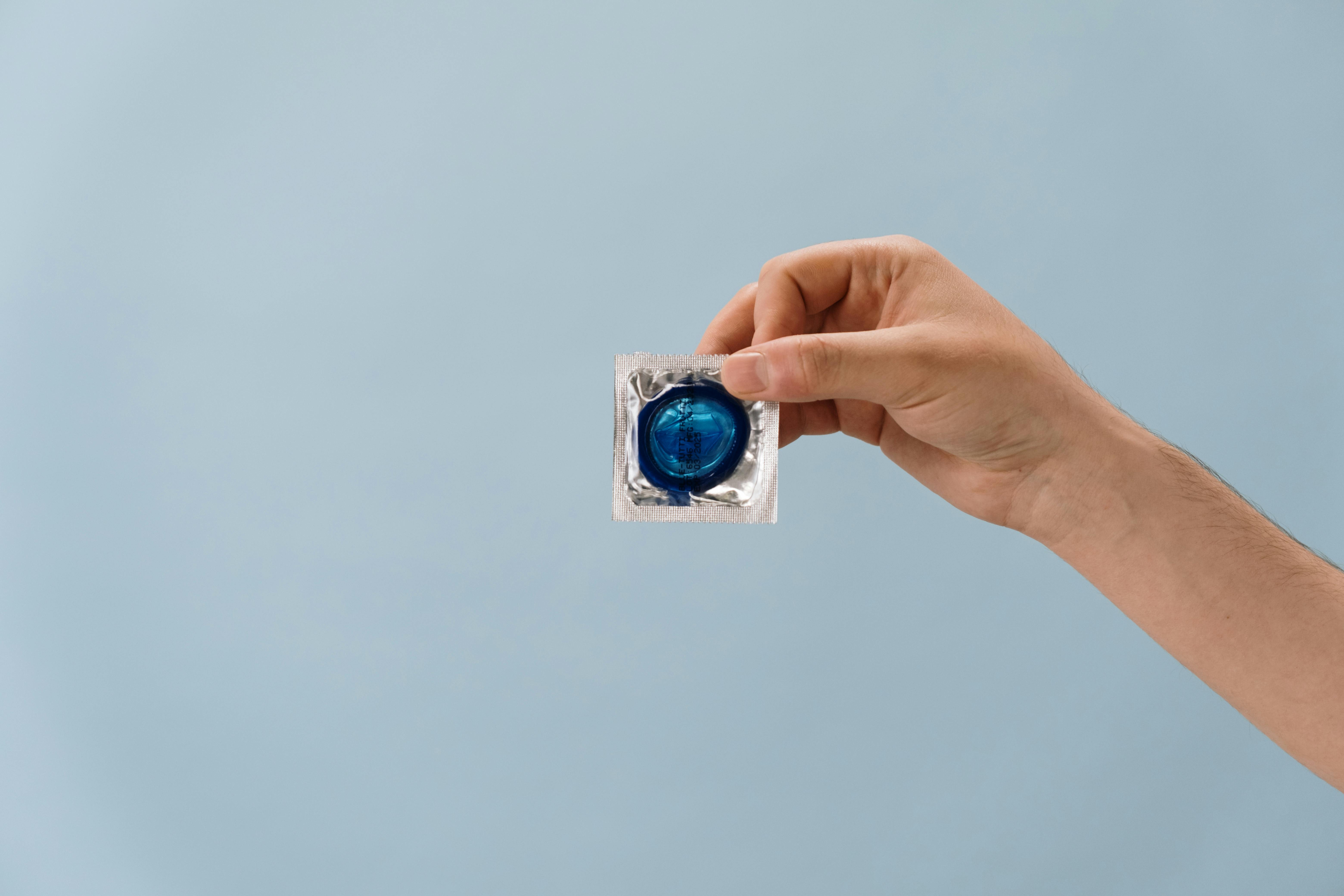
People often test the morning after a worrying encounter and take the negative result as settled. The window period is the reason that reassurance can be premature.
Tests do not detect risk, they detect quantity
Every test has a threshold. It reports positive when there is enough of something present — genetic material, an antigen, or antibodies — to rise above the assay's detection limit.
Immediately after exposure there is nothing near that threshold. Even if transmission has occurred, the organism has not replicated enough and the immune system has not yet responded.
So an early negative is a statement about the present moment rather than about the exposure. The test is working correctly; it is simply being asked a question too early.
Different targets mature at different rates
Tests that look for the organism's own genetic material can turn positive relatively early, because they need only a small quantity of the pathogen present at the sampled site.
Antigen tests detect a protein made by the organism, which appears somewhat later. Antibody tests detect the body's own response, and antibody production takes longer still to become detectable.
This is why one infection can have several different window periods depending on which test is used, and why services specify both the test and the wait rather than one alone.
Why the wait differs between infections
Organisms replicate at different speeds and provoke immune responses on different timescales. A bacterial infection of a mucous surface behaves quite differently from a virus establishing itself systemically.
The site sampled matters too. A throat swab and a urine sample are asking about different tissues, and an infection may be established at one site and not another.
Because of that variation, there is no single universal waiting period. Sexual health services publish the intervals for each infection and each test type they offer, and those intervals are revised as assays improve.
What this means for how you test
A single early test is rarely the end of the process. Services commonly test at presentation and then again after the relevant window has passed, particularly where exposure was recent.
Testing too early is not useless — it can identify an infection acquired before the recent exposure. It simply cannot exclude the one you came in about.
If a test is taken during the window and comes back negative, the sensible reading is that the question remains open, not that it has been answered favourably.
Where the clinical judgement sits
Some exposures warrant action before any test result exists, and preventive medication is one such route. Whether that applies is a clinical decision made quickly, not something to research and decide alone.
A clinician also considers symptoms, the type of exposure and the local pattern of infections when deciding what to test and when to repeat it.
The practical instruction is dull but reliable: contact a sexual health service promptly after a worrying exposure and let them set the testing schedule rather than setting it yourself.
Also by Dr Ayesha Quraishi
- Going to the doctor with something embarrassingEveryday Body
- Immunity, and what can and cannot be boostedEveryday Body
- Eyes, screens and what actually damages themEveryday Body
- Back pain, and what the evidence changedEveryday Body