Everyday Body
The pelvic floor, for everyone
It is not only a postnatal concern, the exercises are done wrong more often than right, and too tight is as much a problem as too weak.
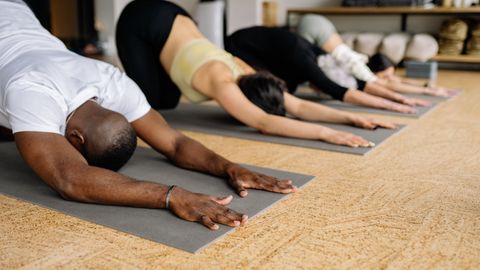
The pelvic floor is a sling of muscle supporting the bladder, bowel and, in women, the uterus, and it is the only major muscle group that most people are told about only after something has gone wrong.
What it does
It supports the pelvic organs against gravity and against pressure from above.
It controls the sphincters, which is continence.
It contributes to sexual function in everyone — to arousal, sensation and orgasm.
And it works as part of the deep core system alongside the diaphragm and abdominal muscles, which is why breathing and posture affect it.
Who has problems
A far wider group than the stereotype.
Pregnancy and childbirth are the best-known risk factors, and the load of pregnancy itself contributes independently of delivery mode.
Menopause, through tissue changes with falling oestrogen.
Chronic constipation and straining, which is a substantial and under-recognised cause.
Chronic cough, including from smoking.
Heavy lifting, occupational or in training.
High-impact sport, with studies of female athletes reporting notable rates of urinary leakage in activities such as gymnastics and running.
Prostate surgery in men, where pelvic floor rehabilitation is a standard part of recovery.
And ageing, in everyone.
The symptoms worth acting on
Leaking urine when coughing, sneezing, laughing, lifting or exercising.
Sudden urgency, or leaking on the way to the toilet.
Needing to rush, or going frequently as a precaution, which itself trains the bladder to hold less.
A dragging or bulging sensation, which may indicate prolapse.
Difficulty controlling wind or stool.
Pain during sex, or difficulty with penetration or with tampons.
And, in men, dribbling after urinating or erectile difficulty with a pelvic component.
None of these are an inevitable consequence of age or childbirth, and all of them have treatments.
Doing the exercises correctly
Studies of instruction consistently find that a substantial proportion of people perform pelvic floor contractions incorrectly when given only written or verbal instructions, most commonly by bearing down instead of lifting, or by substituting buttock, thigh or abdominal muscles.
The sensation to aim for is a lift and squeeze inwards and upwards, as though stopping wind and stopping the flow of urine at the same time, while breathing normally and keeping the buttocks and thighs relaxed.
Do not practise by actually stopping urine flow repeatedly, which can interfere with bladder emptying.
A proper programme includes both slow holds, built up gradually, and quick contractions, performed daily over months rather than weeks, since muscle change takes time.
Improvement in trials is generally seen at around three months of consistent training, and it is lost if training stops entirely.
When the problem is tightness
The part that is most often missed and where standard advice makes things worse.
An overactive, chronically tense pelvic floor causes pain, urgency, incomplete emptying, constipation and painful sex, and it is common in people with persistent pain conditions, in those who have held tension for years, and in some athletes.
Strengthening exercises in this situation increase symptoms.
The treatment is relaxation, down-training, breathing work and, frequently, hands-on physiotherapy, which is why assessment matters before deciding what the muscle needs.
The rest of the picture
Things that affect the pelvic floor and are not exercises.
Avoiding constipation and straining, through fibre, fluid, and not sitting on the toilet for long periods.
Using a footstool to raise the knees, which straightens the anorectal angle and reduces straining.
Not going to the toilet "just in case" habitually, which reduces functional bladder capacity.
Managing chronic cough.
Weight, which affects pressure on the floor.
And breathing, since holding the breath and bracing during lifting drives pressure downward.
Getting help
Pelvic health physiotherapy is the first-line treatment for most of these problems in current guidance, ahead of surgery, and it is effective.
Access varies: in some systems a referral is needed, in others self-referral is possible, and private practitioners exist in most places.
Assessment may include an internal examination, which is always consented to and can be declined.
The main obstacle remains embarrassment, and the consequence of that embarrassment is that a large number of people manage a treatable condition with pads for decades.
General information only, not medical advice. Consult a qualified clinician or pelvic health physiotherapist about your own symptoms.
Also by Dr Ayesha Quraishi
- Going to the doctor with something embarrassingEveryday Body
- Immunity, and what can and cannot be boostedEveryday Body
- Eyes, screens and what actually damages themEveryday Body
- Back pain, and what the evidence changedEveryday Body