Everyday Body
Skin, and what actually works
A handful of ingredients have real evidence, the rest of the industry is built on the gap, and the basics are unglamorous.
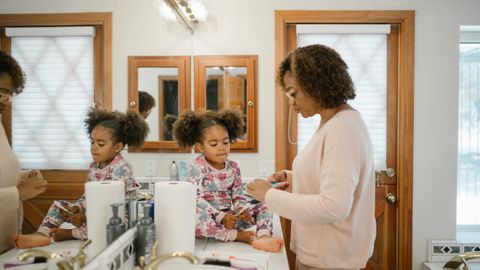
Skincare is a very large industry built on a small number of genuinely effective ingredients, which makes the useful information difficult to locate.
The ingredients with strong evidence
Sunscreen. The single most effective intervention for preventing skin ageing and skin cancer, with randomised trial evidence for both photoageing and reduction in melanoma and squamous cell carcinoma incidence.
Broad spectrum, applied in adequate quantity — most people apply a fraction of the amount used in testing — and reapplied.
Retinoids. Vitamin A derivatives with extensive evidence for acne and for photoageing, including improvements in fine lines, pigmentation and texture.
Prescription strengths are more effective than over-the-counter versions; both cause irritation initially, which is managed by starting infrequently and building up.
They are not used in pregnancy.
Benzoyl peroxide and topical antibiotics for acne, generally in combination to limit resistance.
Azelaic acid, useful for acne, rosacea and pigmentation, and usable in pregnancy.
Alpha hydroxy acids for exfoliation and texture, with reasonable evidence at appropriate concentrations.
Niacinamide, with evidence for barrier function, pigmentation and inflammation.
Vitamin C in stable formulations, with evidence for pigmentation and antioxidant effect.
Emollients, which are the foundation of eczema management and are not merely moisturising.
The barrier
The concept that explains most skin problems.
The outer layer functions as a barrier retaining water and excluding irritants.
Damage it — with harsh cleansers, over-exfoliation, hot water, too many active ingredients — and the result is redness, stinging, dryness and paradoxically more oil production, which people then treat with more products.
The common presentation in dermatology clinics of skin made worse by an elaborate routine is a real phenomenon.
Recovery involves stopping almost everything: a gentle cleanser, a plain moisturiser, sunscreen, and time.
Acne
A medical condition rather than a hygiene failure.
It results from follicular blockage, sebum, bacteria and inflammation, with hormones driving the process — which is why it is not caused by poor washing and why scrubbing makes it worse.
Treatment escalates from topical agents to oral antibiotics, hormonal treatments including combined contraception and anti-androgens, and isotretinoin for severe or scarring acne, which is highly effective and requires monitoring and strict pregnancy prevention.
The most important message is to treat early, because scarring is preventable and is not.
Diet evidence is limited: high glycaemic load diets and possibly skimmed milk have some supporting evidence, and chocolate and greasy food do not.
Rosacea and eczema, briefly
Rosacea involves flushing, persistent redness, papules and sometimes eye involvement, with triggers that vary individually — heat, alcohol, spice, sun, stress — and effective topical and oral treatments.
Eczema is a barrier and immune condition managed with generous emollient use, topical steroids of appropriate potency used properly rather than sparingly out of fear, and newer treatments for severe disease.
Steroid phobia leading to undertreatment causes more harm in practice than appropriate steroid use.
Ageing
What has evidence and what does not.
Sun exposure accounts for the large majority of visible facial ageing, which is demonstrated dramatically in comparisons of sun-exposed and protected skin on the same person.
Smoking accelerates it measurably.
Retinoids, sunscreen and, to a lesser extent, antioxidants have evidence.
Collagen supplements have a growing but methodologically weak literature, mostly industry-funded.
Most claims about firming, lifting and cellular renewal in cosmetic products are regulated as cosmetic rather than medical claims, which means they do not require the evidence a medicine would.
What to actually do
A defensible routine is short.
Morning: gentle cleanser or water, moisturiser if needed, sunscreen.
Evening: cleanser, a retinoid a few nights a week built up over months, moisturiser.
Add a single active for a specific problem, one at a time, giving each several weeks.
Everything else is optional, and adding more products is the most common cause of the problems people then buy products to fix.
When to see someone
Any new, changing, bleeding or non-healing lesion, particularly a mole that has changed in size, shape, colour or symmetry.
Acne that is scarring or is affecting mood.
Persistent rashes not responding to simple measures.
Sudden onset of severe skin problems, which can indicate a drug reaction or systemic illness.
And any skin change in an area that is not exposed to sun and cannot be explained, which people tend to ignore for longer.
General information only, not medical advice. Consult a qualified clinician or dermatologist about persistent skin problems or any changing mole.
Also by Dr Ayesha Quraishi
- Going to the doctor with something embarrassingEveryday Body
- Immunity, and what can and cannot be boostedEveryday Body
- Eyes, screens and what actually damages themEveryday Body
- Back pain, and what the evidence changedEveryday Body