Hormones
Oestrogen Beyond Reproduction
Oestrogen receptors appear in bone, blood vessels, brain and skin, which is why changes in the hormone produce effects far outside the reproductive system.
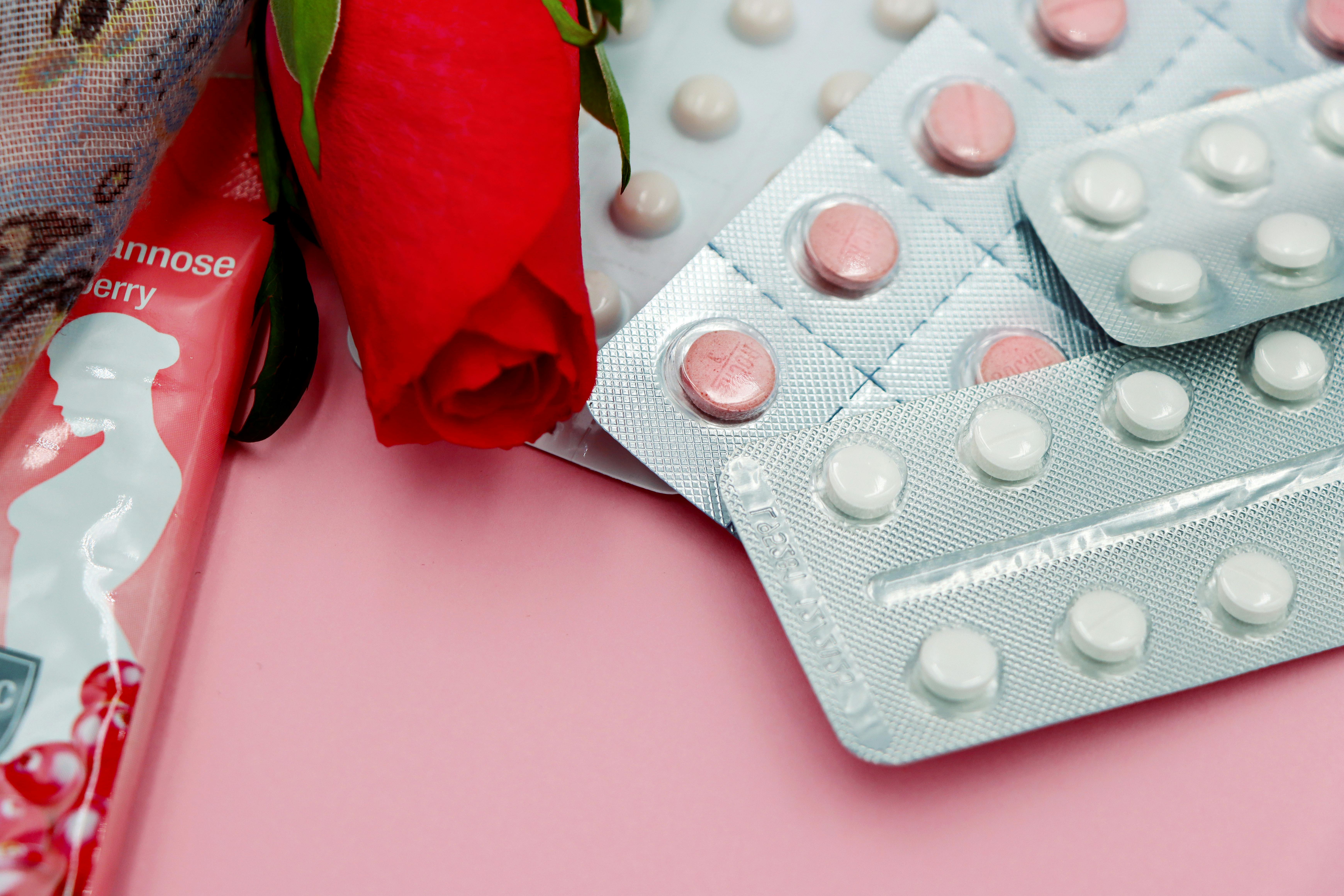
Oestrogen is classified as a reproductive hormone, which describes where it is made rather than where it acts. Its receptors are distributed throughout the body.
A hormone acts wherever its receptor is
Steroid hormones circulate everywhere and affect only tissues carrying the relevant receptor. The distribution of receptors, not the hormone, determines the range of effects.
Oestrogen receptors are found in bone, the lining of blood vessels, the liver, the brain, skin, the bladder and the urinary tract among others.
This is why a change in oestrogen produces a scattered collection of symptoms that seem unrelated until the receptor map is taken into account.
Bone is continuously rebuilt under its influence
Bone is not static. Cells break old bone down and others build new bone, and the balance between them determines density over time.
Oestrogen restrains the breakdown side of that cycle. When levels fall substantially, breakdown outpaces formation and density declines, most rapidly in the years after menopause.
The process is silent until a fracture occurs, which is why bone density assessment is offered based on risk factors rather than symptoms.
Blood vessels and metabolism are affected too
The endothelium lining blood vessels responds to oestrogen, which influences vessel dilation and aspects of the blood's clotting tendency.
Circulating lipid patterns also shift, which is one reason cardiovascular risk profiles differ between men and women before midlife and converge afterwards.
These are population-level patterns rather than predictions about individuals, and translating them into any personal decision requires a clinician who knows the rest of the history.
The brain and the mucous membranes
Oestrogen receptors in the brain are involved in temperature regulation, which is the proximate mechanism behind hot flushes, and in aspects of mood and sleep.
The tissue of the vagina, urethra and bladder depends on oestrogen for thickness and lubrication, and thinning there produces discomfort, urinary symptoms and pain during sex.
These genitourinary changes tend to persist rather than resolve, unlike flushes, and they are frequently not mentioned in appointments despite being highly treatable.
Why men have it as well
Men produce oestrogen too, largely by converting testosterone through an enzyme present in fat and other tissues, and it is necessary for their bone health and fertility.
Disturbing that conversion has consequences in either direction, which is why treatments that alter it in men are prescribed carefully rather than adjusted casually.
Any decision about hormone treatment, in any sex, weighs individual history against benefit and risk, and it is a discussion with a clinician rather than a matter of general information.
Also by Dr Ayesha Quraishi
- Going to the doctor with something embarrassingEveryday Body
- Immunity, and what can and cannot be boostedEveryday Body
- Eyes, screens and what actually damages themEveryday Body
- Back pain, and what the evidence changedEveryday Body