Everyday Body
Feet, and why they matter more than people think
Foot problems limit activity, cause falls, and in some conditions are the site where serious complications begin.
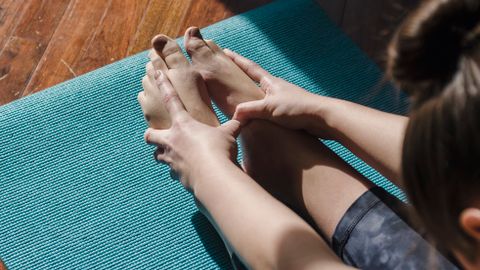
Feet are the most heavily loaded structures in the body and the least examined, which is why so many problems are advanced before anyone looks.
The common painful conditions
Plantar heel pain, frequently called plantar fasciitis, characterised by pain under the heel that is worst on the first steps in the morning and after rest.
It is generally a degenerative rather than inflammatory process, and it improves in most people over months with loading exercises, calf stretching, supportive footwear and load management.
Injections provide short-term relief with some risk and do not improve long-term outcome in most studies.
Achilles tendinopathy, which responds to progressive loading programmes with good evidence, and which is worsened by complete rest.
Morton's neuroma, causing burning pain and numbness between the toes, aggravated by tight footwear.
Metatarsalgia, pain under the ball of the foot, frequently related to footwear and load.
Bunions, which are a structural deformity with a strong hereditary component — footwear influences progression and does not cause them alone.
Surgery is effective for pain but is not indicated for appearance alone and has a significant recovery period.
Ingrown toenails, which are largely caused by cutting nails curved rather than straight across, and which have effective minor procedures when recurrent.
Footwear
Where a large proportion of foot problems originate.
The features that matter: adequate length, with a thumb's width beyond the longest toe, which is not always the big toe.
Adequate width across the forefoot, since most mass-market shoes taper more than feet do.
A fastening, since shoes held on by gripping with the toes alter gait.
A heel height that is modest, since raised heels shift load onto the forefoot substantially.
And a sole with enough structure for the surface being walked on.
Feet change size and shape over a lifetime, particularly after pregnancy and with age, which means the size someone has worn for twenty years is frequently wrong.
Measuring both feet, at the end of the day when they are largest, is standard advice and is rarely followed.
Diabetes
Where feet become a serious clinical matter.
Diabetes can cause peripheral neuropathy, reducing protective sensation, and peripheral arterial disease, reducing healing capacity.
The combination means an injury may go unnoticed and then fail to heal, which is the pathway to ulceration and, in serious cases, amputation.
Which is why annual foot checks are a standard part of diabetes care, and why the advice is specific: inspect feet daily including between the toes and the soles using a mirror, never walk barefoot, check inside shoes before putting them on, avoid hot water bottles and heat sources on the feet, and seek help promptly for any break in the skin.
Any new ulcer, area of redness, swelling or warmth in a diabetic foot is urgent rather than routine.
Circulation and nerve problems generally
Symptoms worth raising.
Cramping pain in the calf on walking, relieved by rest, which suggests peripheral arterial disease and is a marker of cardiovascular risk elsewhere.
Cold, pale or discoloured feet.
Numbness, tingling or burning, which has many causes including diabetes, B12 deficiency, alcohol, thyroid disease, spinal problems and some medications.
Wounds that do not heal.
And sudden severe pain with a cold pale foot, which is an emergency.
Nails and skin
Common and frequently mismanaged.
Fungal nail infection is slow to treat and should be confirmed before committing to months of treatment, since not all thickened nails are fungal.
Athlete's foot is common, treatable and recurrent, and treating the shoes as well as the feet reduces recurrence.
Corns and calluses are a response to pressure, which means removing them without addressing the pressure guarantees their return.
Verrucae are viral, resolve spontaneously in most people eventually, and are treated mainly when painful.
And self-treatment with blades or strong acid preparations is a common cause of injury, particularly in people with diabetes or poor circulation, for whom it is specifically advised against.
Falls
The reason this matters in older adults.
Foot pain, deformity and inappropriate footwear are established risk factors for falls, and falls are a leading cause of injury and loss of independence.
Well-fitting supportive shoes with a fastening and a non-slip sole reduce risk; slippers without backs, worn indoors, are a recognised hazard.
Podiatry input is part of multifactorial falls prevention programmes, which have the best evidence of any intervention in this area.
General information only, not medical advice. Consult a qualified clinician or podiatrist about foot problems, and seek urgent care for any foot ulcer if you have diabetes.
Also by Dr Ayesha Quraishi
- Going to the doctor with something embarrassingEveryday Body
- Immunity, and what can and cannot be boostedEveryday Body
- Eyes, screens and what actually damages themEveryday Body
- Back pain, and what the evidence changedEveryday Body